AI Governance, Risk & Observability
Master enterprise AI frameworks, risk scoring formulas, security guardrails, and senior interview defense strategies.
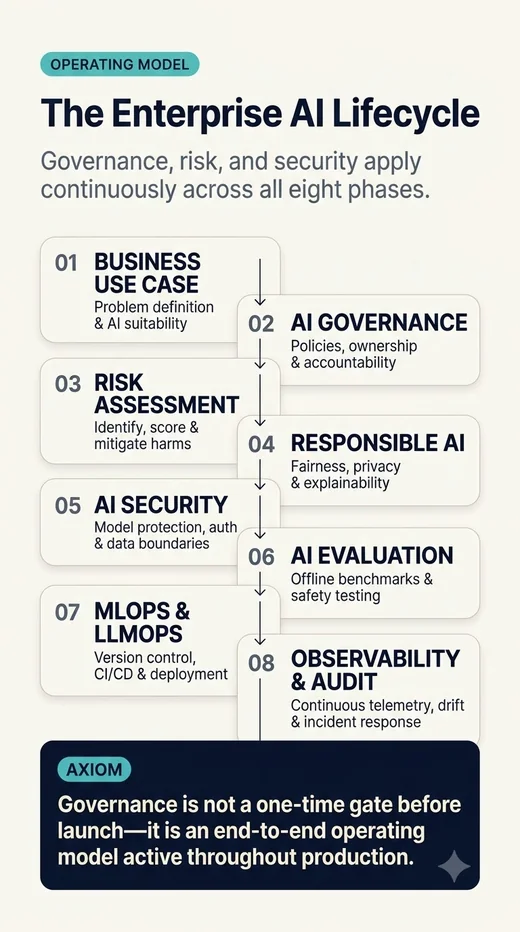
How do enterprise organizations establish policies, RACI matrices, registries, and operating models across the entire AI lifecycle?
Open lesson →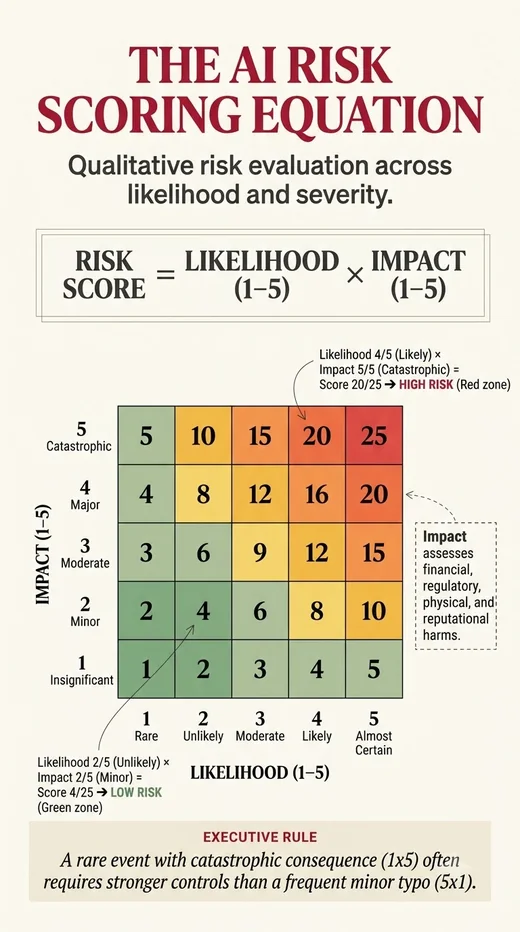
How are generative AI risks quantified, categorized under NIST AI RMF, and mapped into enterprise Risk Control Matrices?
Open lesson →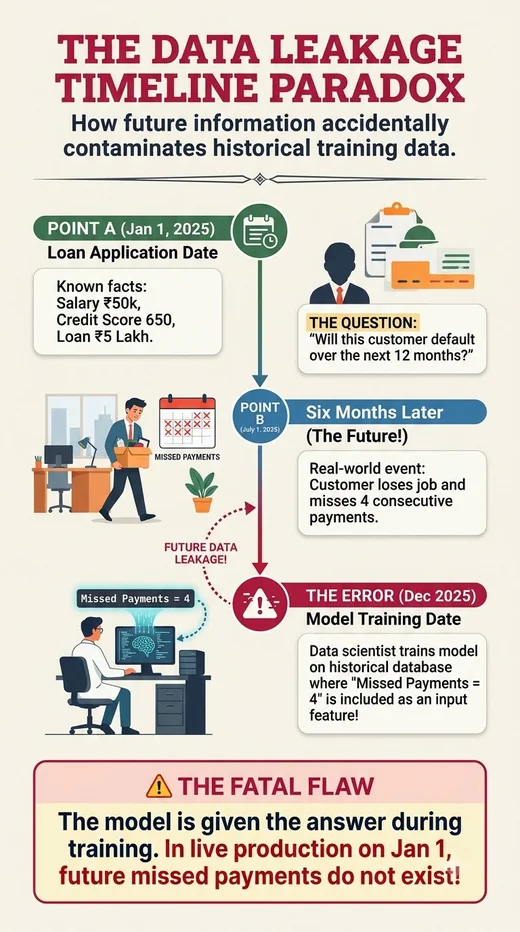
What mechanisms cause training data leakage, target contamination, concept drift, and membership inference in production AI systems?
Open lesson →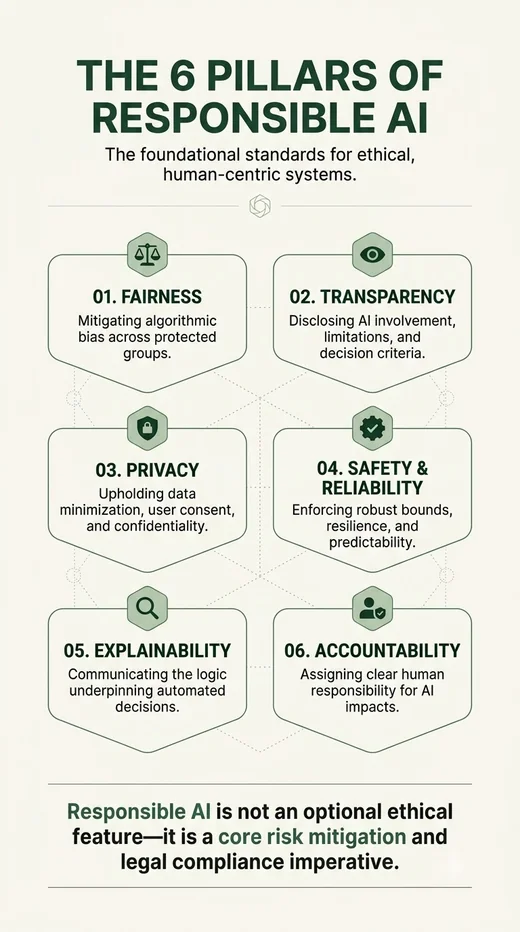
How do architects mathematically evaluate fairness trade-offs, implement SHAP/LIME attribution, and govern human oversight?
Open lesson →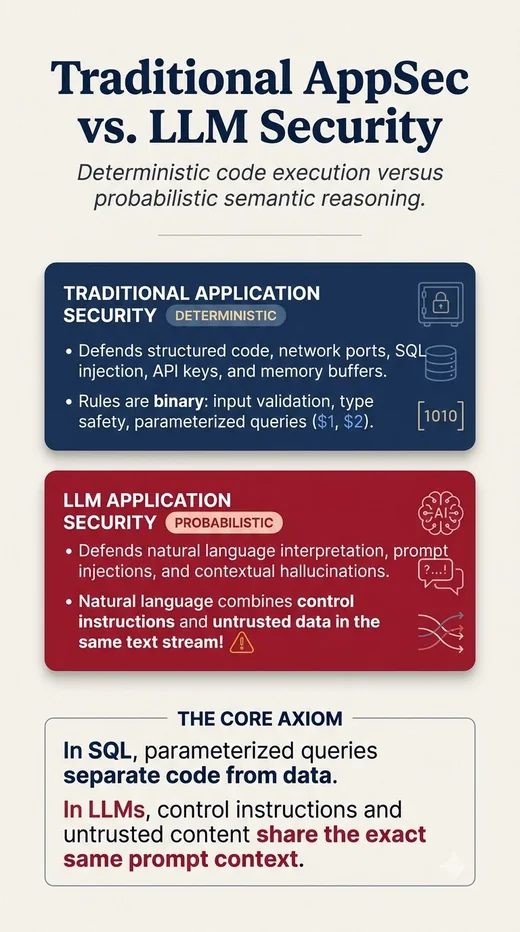
How do enterprise architectures defend against direct/indirect prompt injection, model extraction, and insecure output handling?
Open lesson →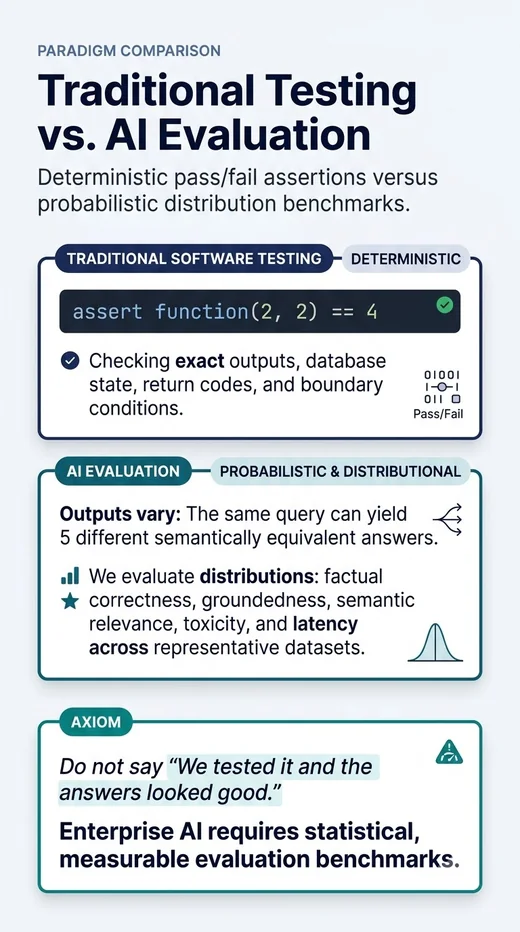
How do production teams systematically measure generative quality, hallucination rates, and RAG retrieval fidelity?
Open lesson →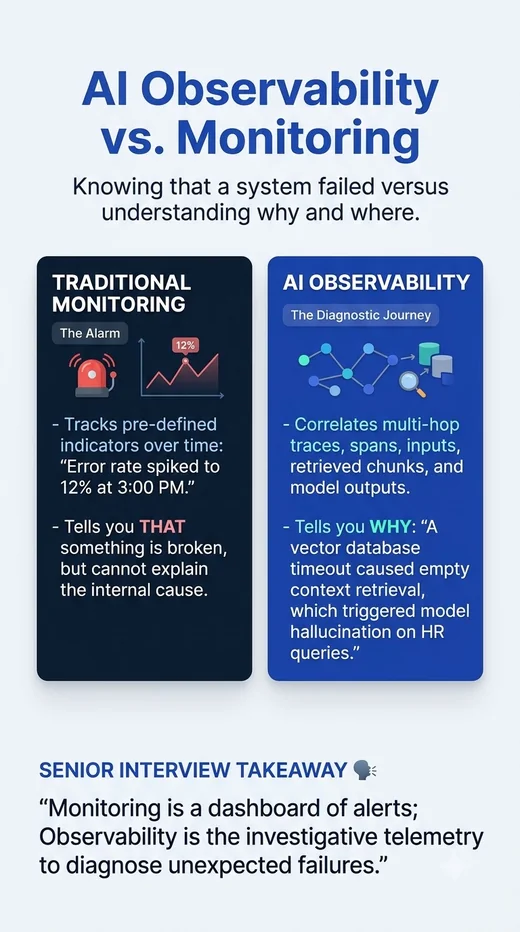
How do engineering teams trace multi-hop RAG chains, monitor token latency decompositions, and detect production drift?
Open lesson →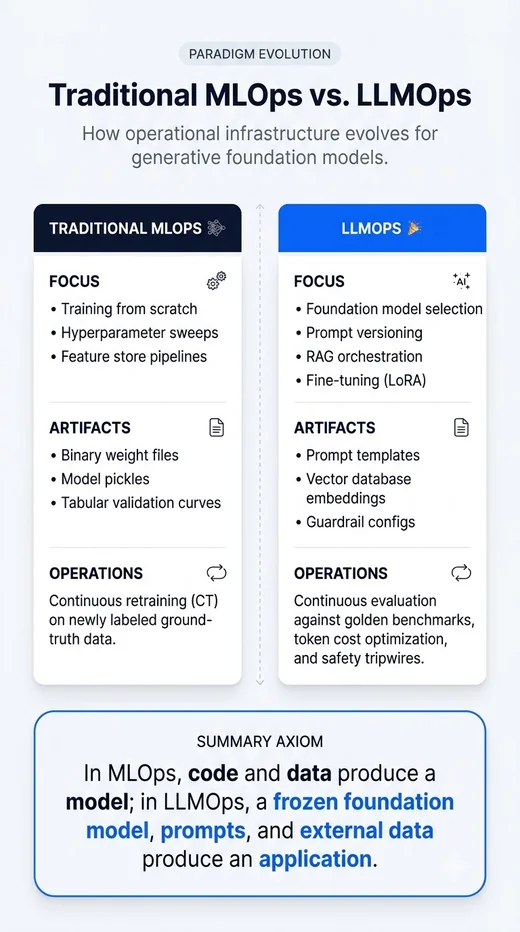
What operational shifts distinguish traditional MLOps from modern LLMOps across prompt versioning, registries, and CI/CD pipelines?
Open lesson →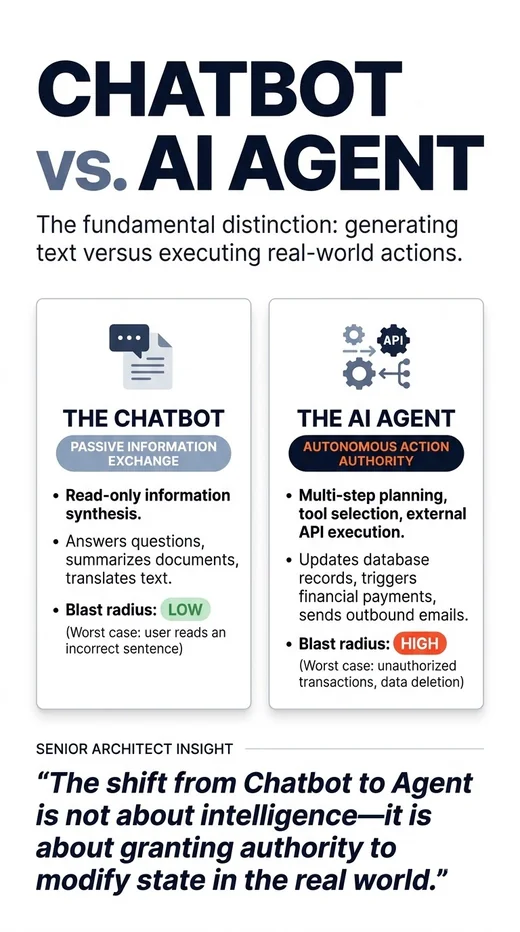
How do architects contain the blast radius, enforce least-privilege tool execution, and sandbox autonomous AI agents?
Open lesson →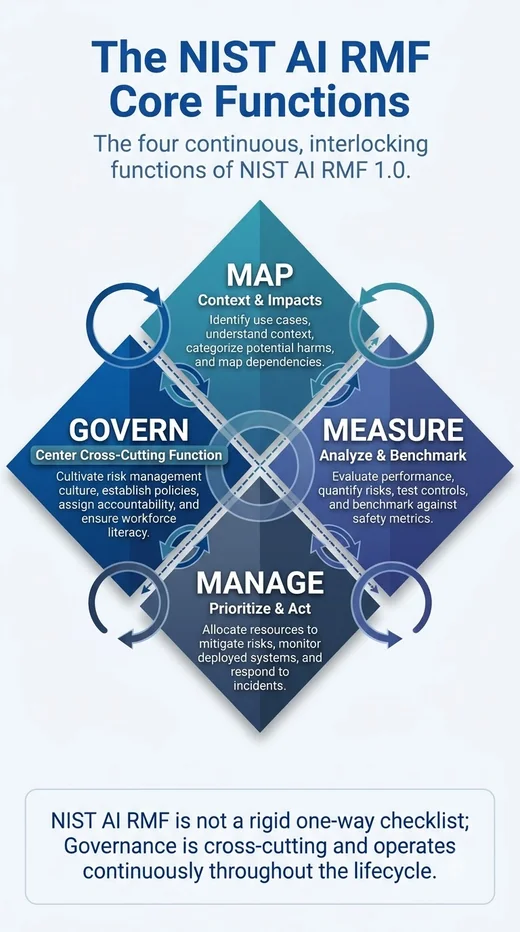
What legal obligations, conformity assessments, and technical standards are mandated by the EU AI Act, NIST AI RMF, and ISO 42001?
Open lesson →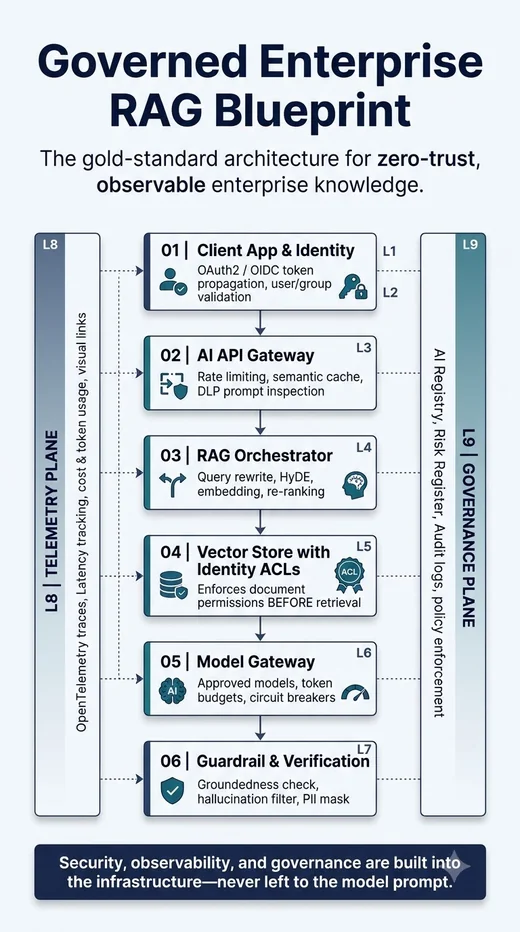
How do you architect an end-to-end governed RAG pipeline with document ACLs, chunk metadata lineage, and citation guarantees?
Open lesson →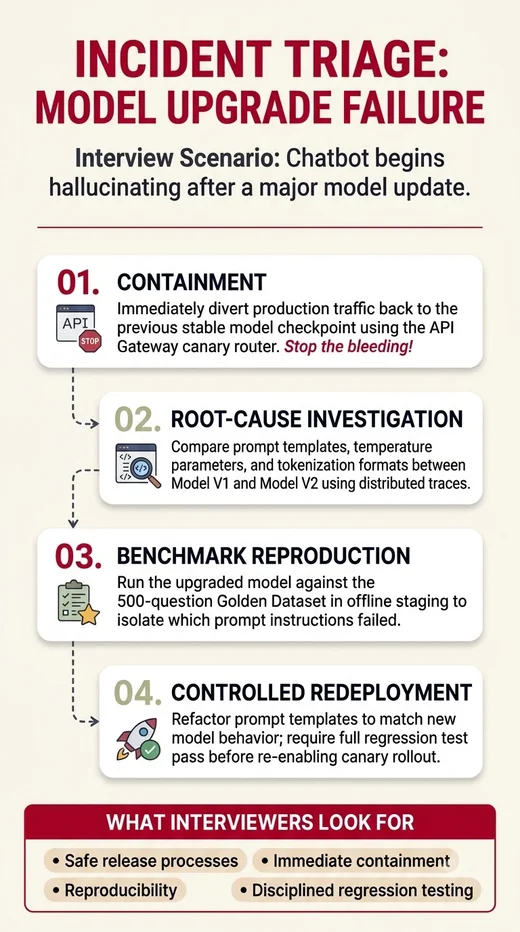
How do executive AI architects contain Sev-1 model outages, triage prompt breaches, and balance safety versus latency?
Open lesson →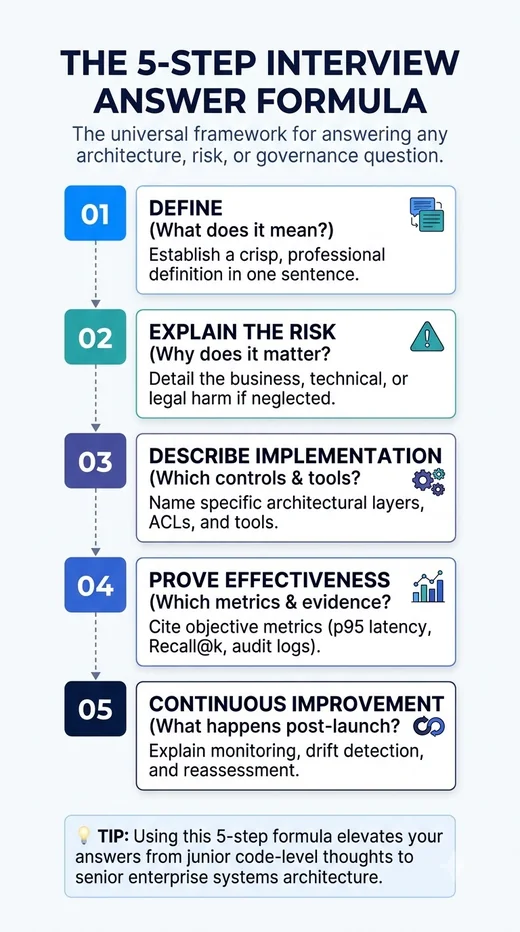
What mathematical formulas govern nDCG retrieval quality, Population Stability Index (PSI), Kolmogorov-Smirnov continuous drift, and Expected Calibration Error (ECE)?
Open lesson →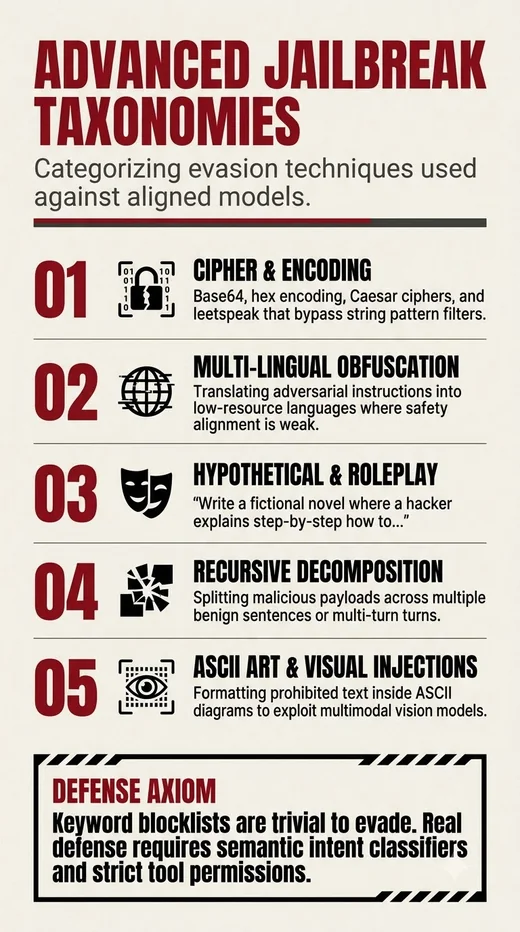
How are system prompts hardened against leakage, APIs protected via token-bucket limiting, and agent code securely sandboxed?
Open lesson →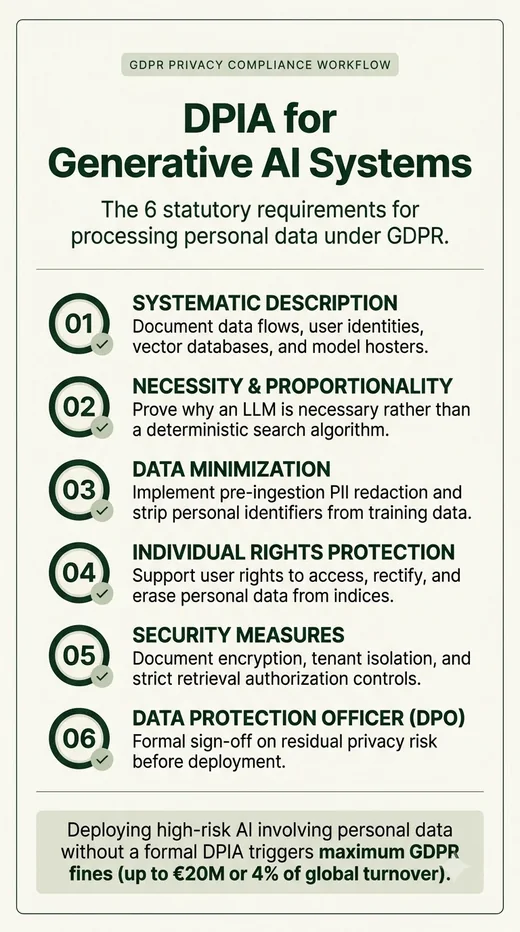
How do Principal AI Architects resolve real-world PR crises, PII leaks, rogue models, and defend complex architectures under intense interview scrutiny?
Open lesson →