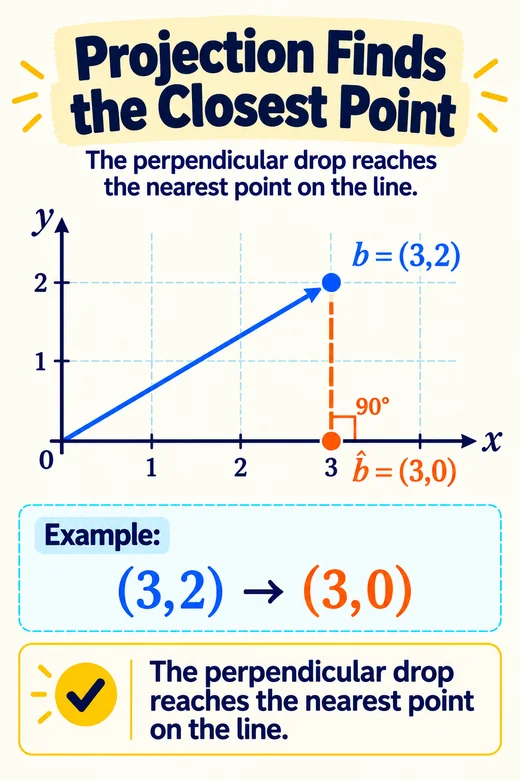
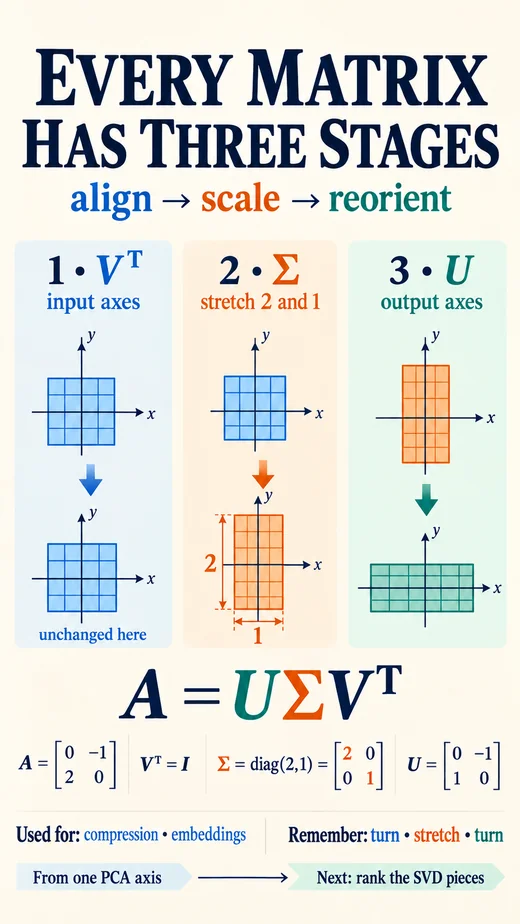
FOR ALL STEM, AI & SELF-LEARNERS120 Visuals
The Foundational Alphabet
Symbols of Mathematics
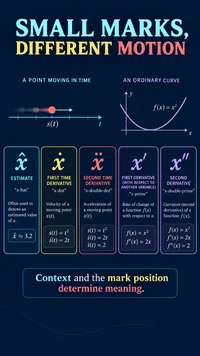
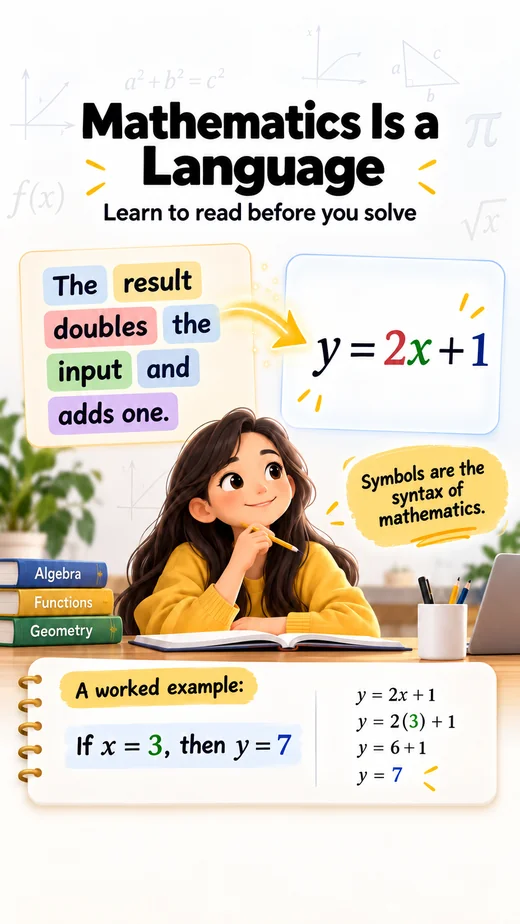
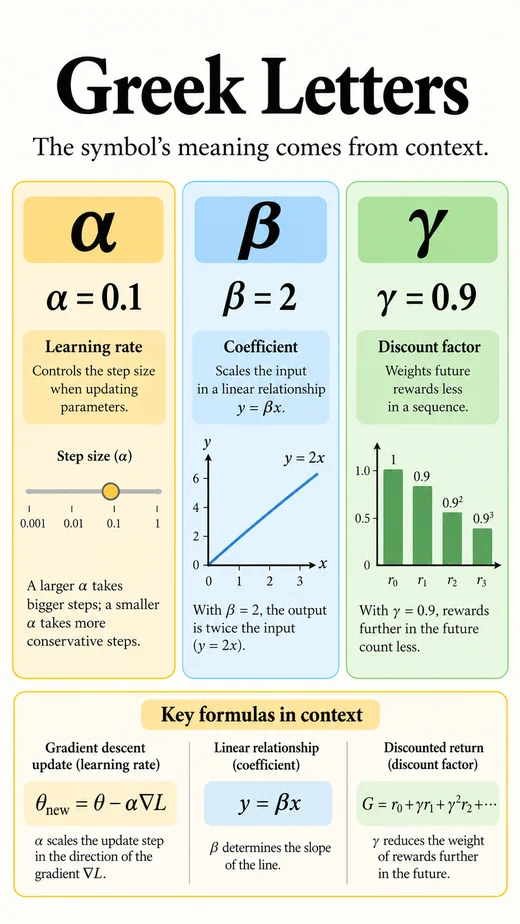
Master Greek notation, operators, and small marks before calculating. Translates abstract symbols into plain English thoughts.
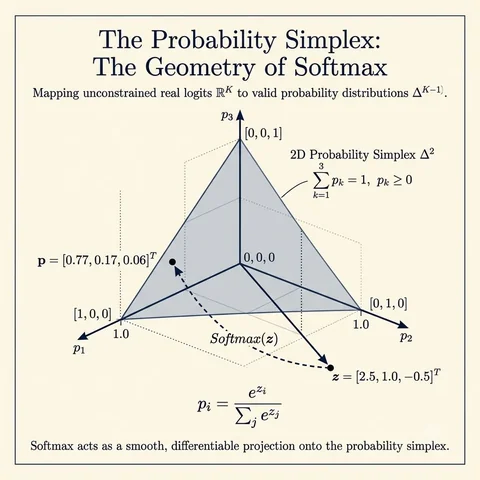
Pictures and short explanations build the foundational Mathematics for Machine Learning and AI/ML — from matrix transformations and gradient descent to probability distributions, high-dimensional projections, and neural network optimization.
The library advances one published picture each day, then gently previews the connected ideas.
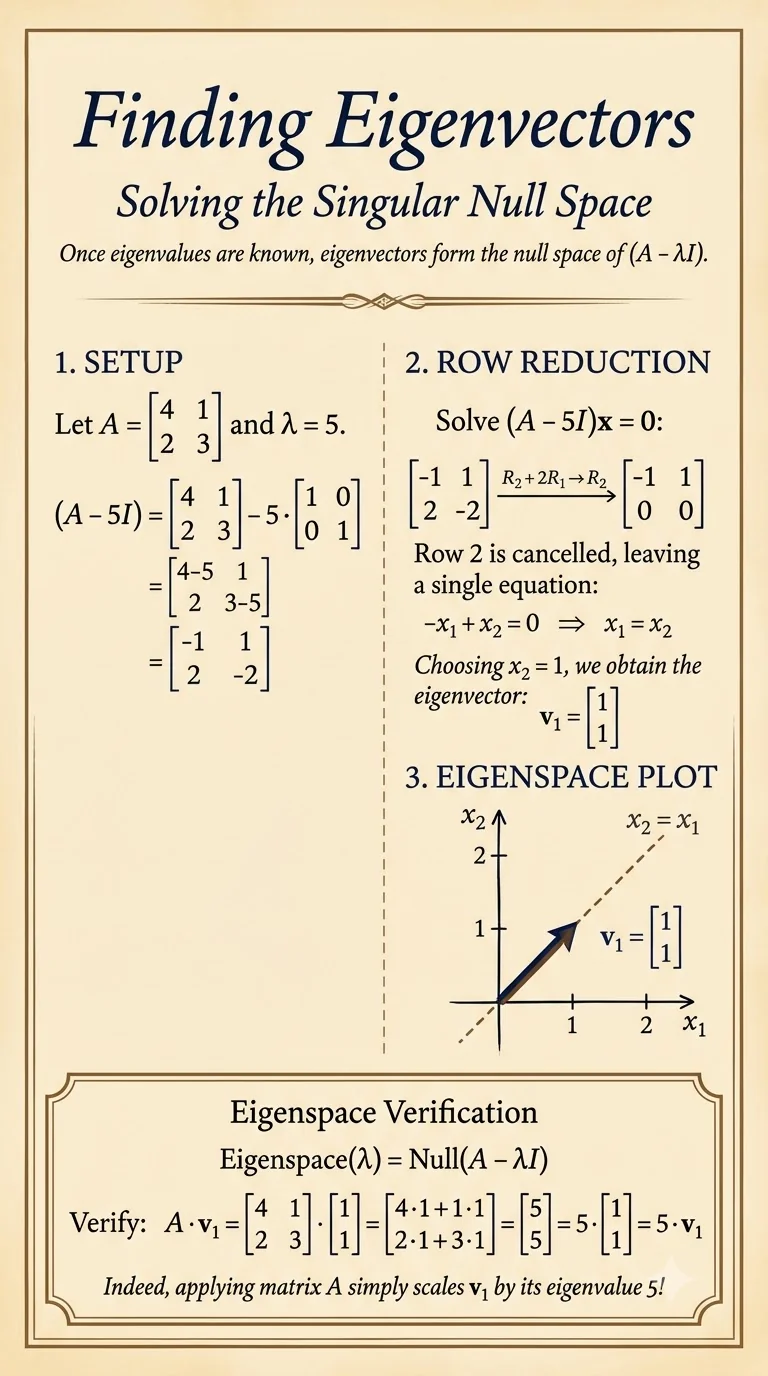
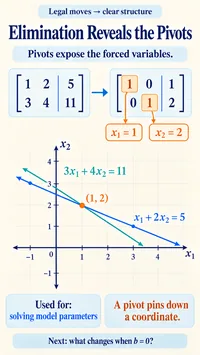
Once eigenvalues are known, eigenvectors form the null space of (A - lambda * I).
Study the full lesson →Begin with Numbers and Number Lines, or return later and continue from this device—no login required.
Enterprise AI lifecycle, risk assessment, prompt defense-in-depth, observability telemetry, and executive architect interview defense.
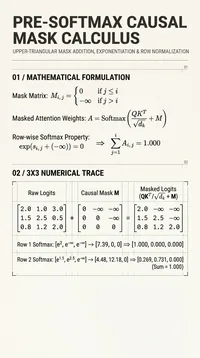
Deconstruct transformer mechanics from first principles — token embeddings, self-attention matrices, LayerNorm, and pretraining loss dynamics.
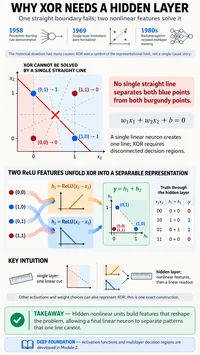
Master deep learning foundations — single-neuron arithmetic, dense matrix multiplication, ReLU activation hinges, and NumPy vectorization.
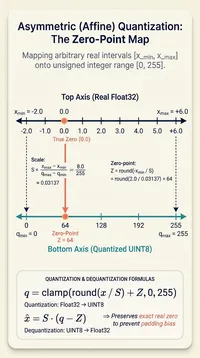
Run high-reasoning models on edge compute — Chinchilla data scaling, synthetic data distillation, and sub-billion parameter efficiency.
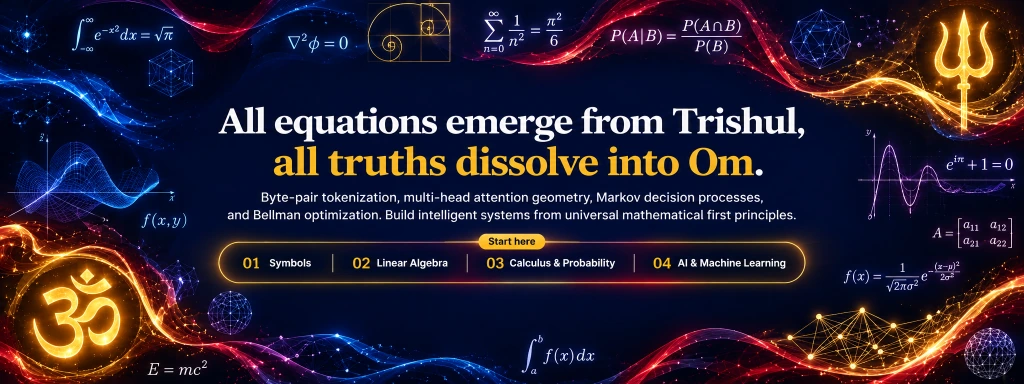
Learning symbols gives you the power to read equations like sentences. Before calculating with vectors, layer weights, or loss surfaces, master what the glyphs, marks, indices, and Greek notations actually represent. Transform symbolic anxiety into pure geometric intuition.
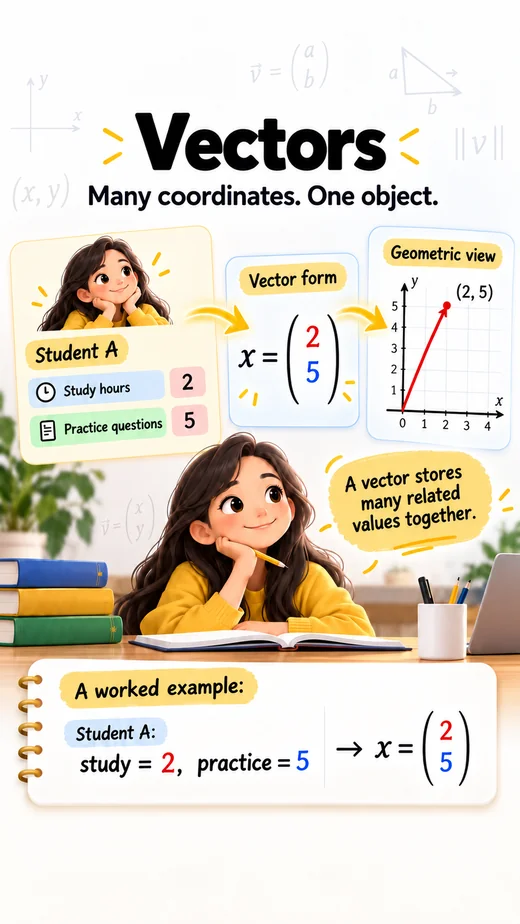
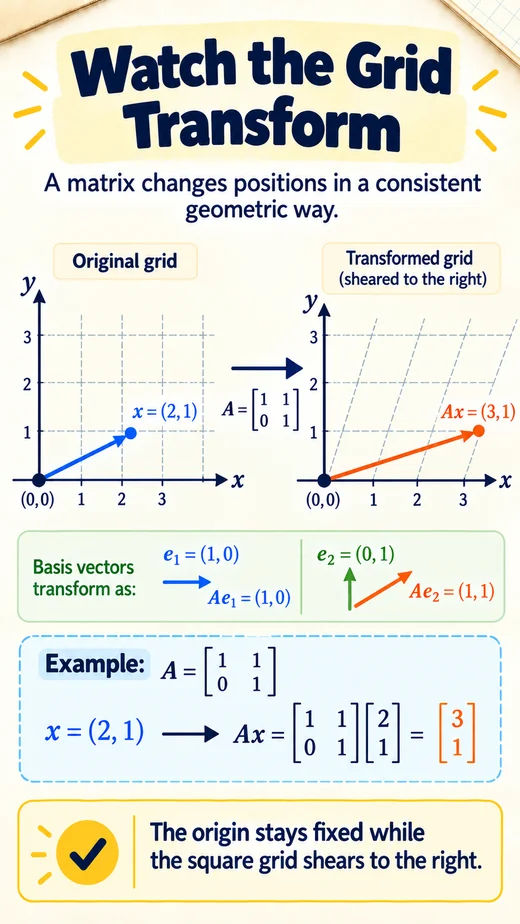
Once you know the symbols, Linear Algebra is the visual foundation of Artificial Intelligence and Machine Learning. Vectors represent tokens, embeddings, and latent spaces; matrices represent layer weights; and projections optimize loss functions. Follow the grid as it stretches, rotates, and projects high-dimensional data without blind memorization.
Every picture belongs to an ordered lesson. Every lesson sits in a clear mathematical path.
Master Greek notation, operators, and small marks before calculating. Translates abstract symbols into plain English thoughts.
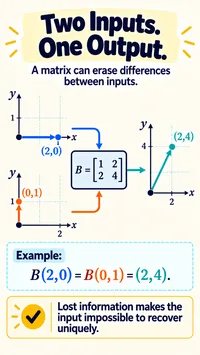
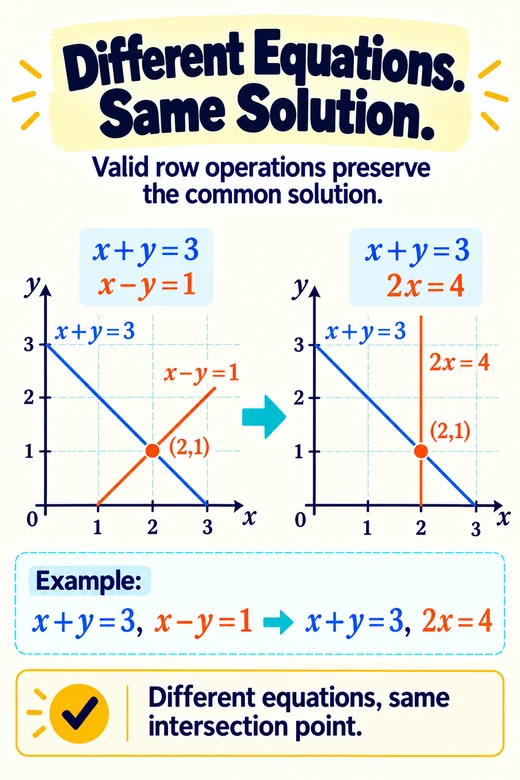
Vectors represent latent embeddings and matrices transform space. Follow grid rotations, nullspaces, and SVD without memorizing formulas.
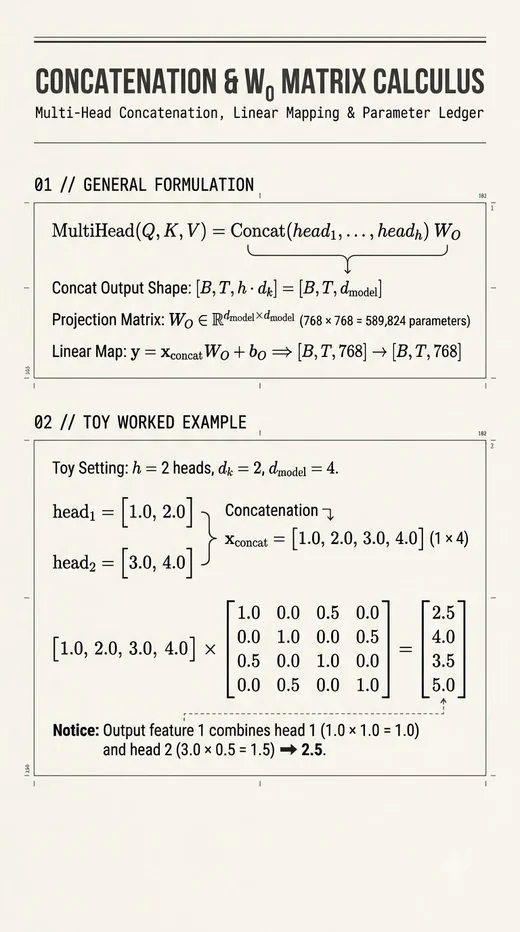
Master the end-to-end architecture of Large Language Models. From subword tokenization and attention tensors to layer norm and pretraining.
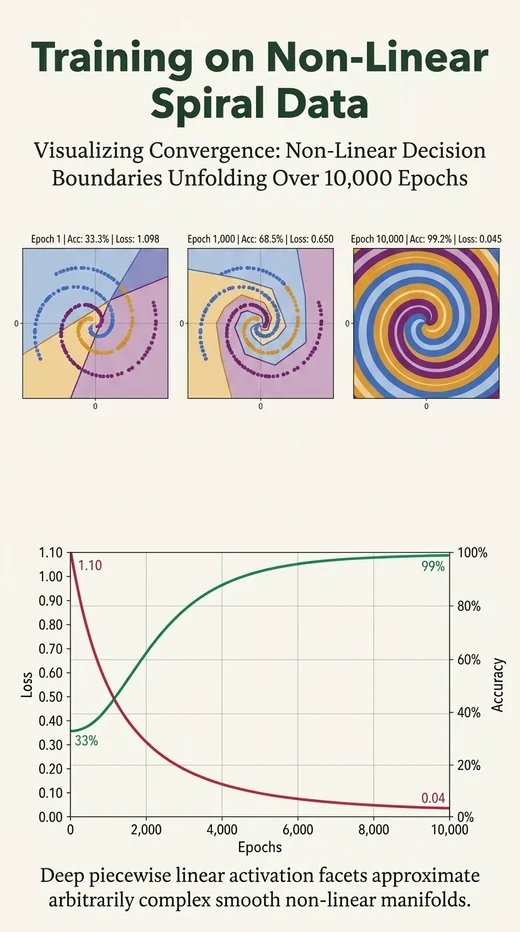
The foundational mechanics of deep learning: single neurons, dense layers, matrix-vector arithmetic, and ReLU space bending.
Small Language Models on edge devices. Compute-optimal scaling, the Chinchilla law, and TinyStories synthetic data.
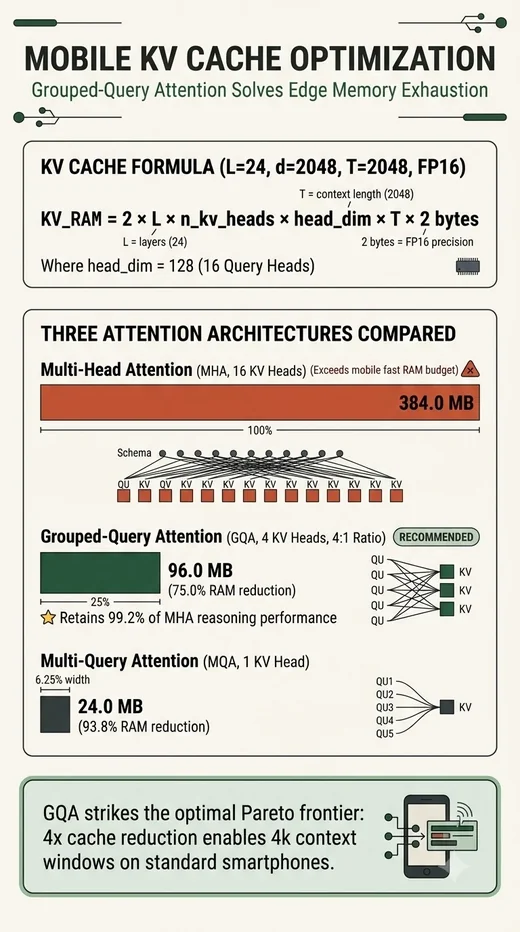
Enterprise AI lifecycle governance, risk assessment, prompt security, observability, and executive interview preparation.
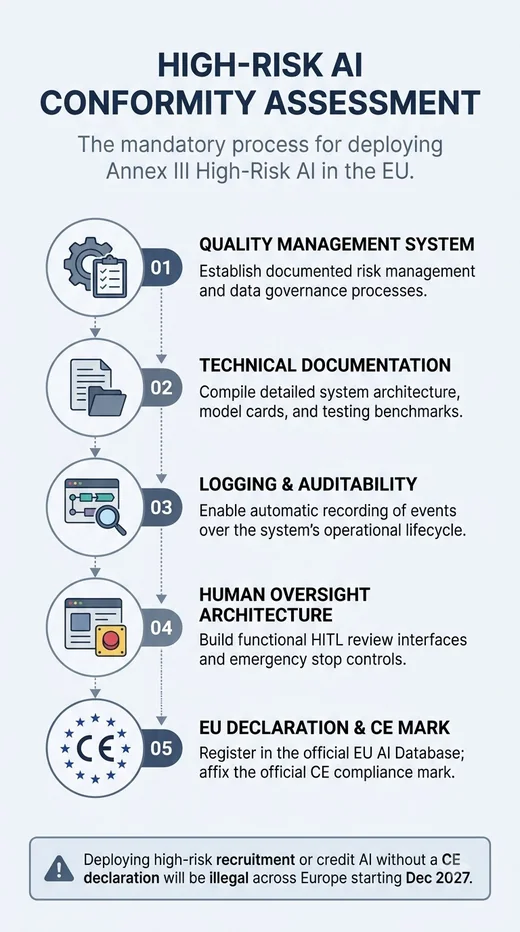
Explore how theorems are structured, why induction works, and how set operations form computational logic.
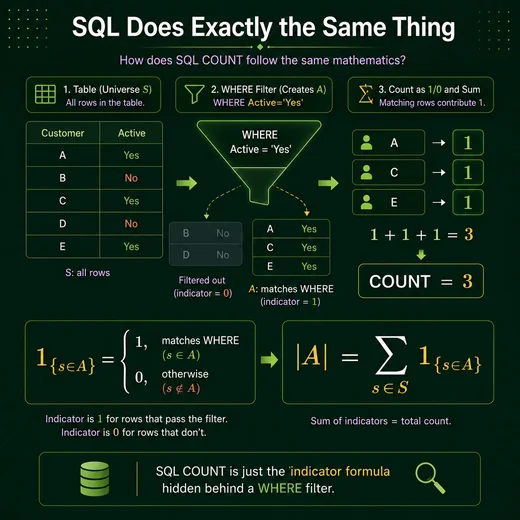
Understand slopes, limits, and multivariable gradients. Powers gradient descent optimization and neural backpropagation.
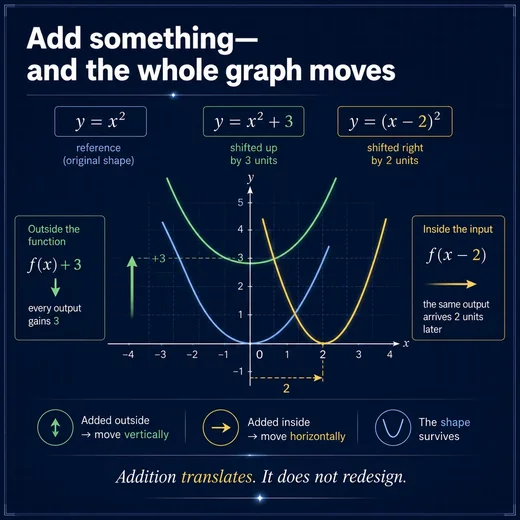
Quantify randomness, probability density, and Bayesian updates. The core mathematical language of generative AI models.
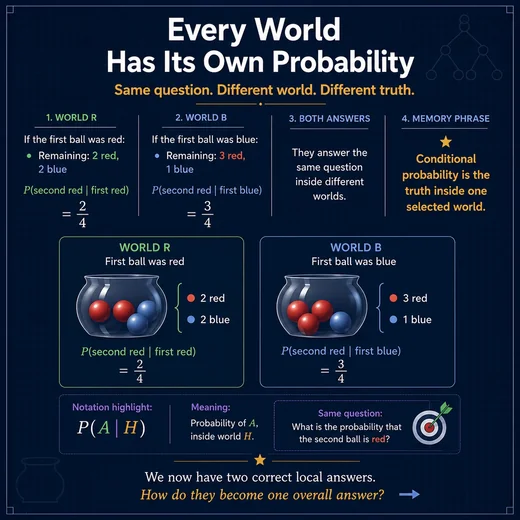
Master hypothesis testing, p-values, distributions, and A/B test evaluation for production machine learning systems.
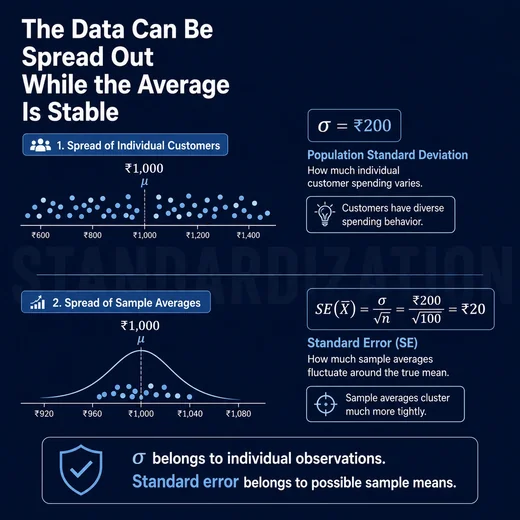
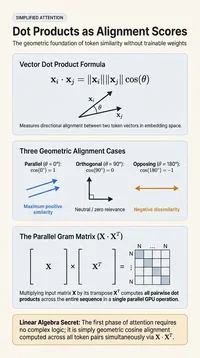
Follow subword tokenization (BPE), scaled dot-product self-attention, and high-dimensional vector spaces in modern LLMs.
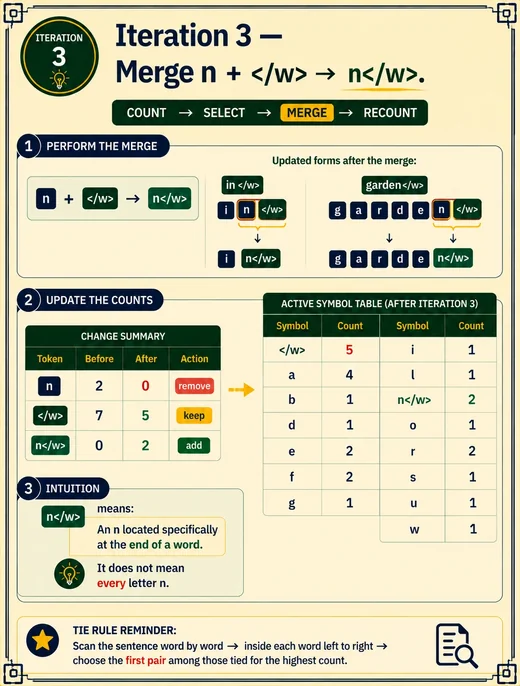
Bellman optimality equations, value iteration, and Markov Decision Processes for autonomous intelligent agents.
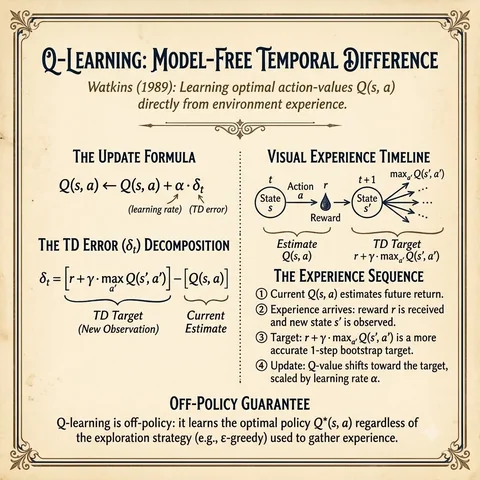
Publication dates come from the lesson manifests, never from unreliable file-modification times.
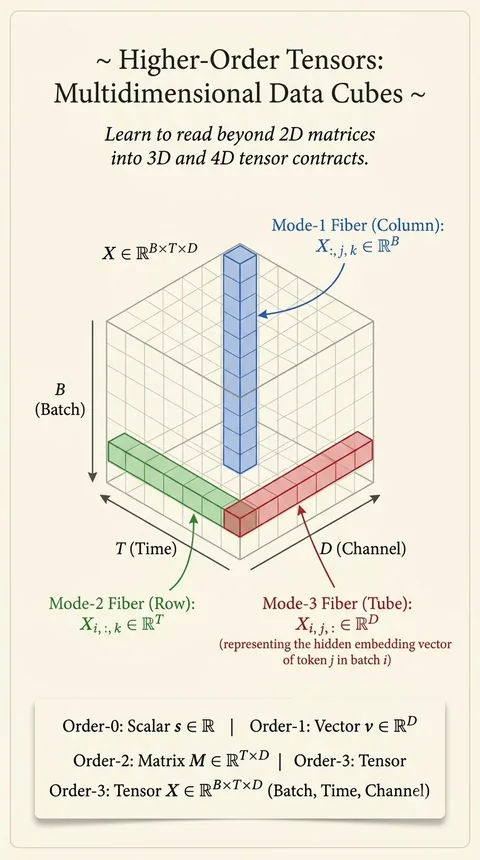
Unpack higher-order multidimensional tensors, fibers, the geometry of probability simplices under softmax, expectation notation, and vector-Jacobian products.
Open lesson →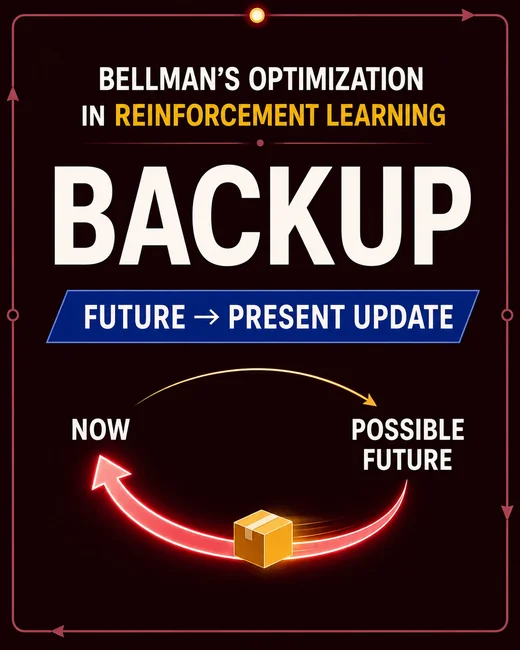
How can an agent turn uncertain future rewards into a good decision now?
Open lesson →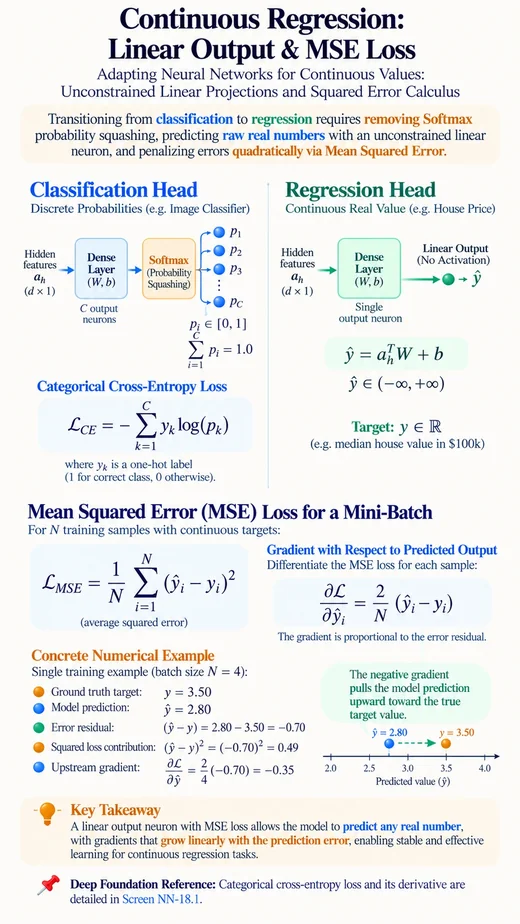
How do neural architectures adapt from discrete probability classification to continuous unbounded regression, and how do Mean Squared Error loss and R^2 coefficient quantify performance?
Open lesson →Each lesson connects the question, the intuition, the example and the mathematical relationship.
Start with what, why or how.
Inspect the picture and symbols.
Join intuition to an example.
Continue through the lesson chain.
These milestones provide context; the lessons show how the ideas work.
Napier's tables made difficult calculations more practical.
Fermat, Pascal and Huygens helped turn chance into mathematics.
Newton and Leibniz shaped powerful languages of change.
Likelihood and mathematical statistics changed how evidence is read.
Historical orientation: MacTutor History of Mathematics. Dates describe documented milestones, not single-person invention claims.
MyMathGuide is prepared by MYLINEHUB. Partner and sponsor messages remain visibly separate from the learning sequence.
Advertising & partnershipsContact us — 9625048379Built to make deep mathematical ideas easier to revisit, connect and share.